Roger salió de su tienda de campaña como todos los días, aunque a cada día que pasaba le parecía más distante la promesa que les hizo Napoleón. Les prometió "vivir bajo los azules cielos de España". Esa promesa parecía estar perdida en el viento. Las constantes derrotas en Rusia están mermando la moral de las tropas, aunque ese "enano cabezón" seguía insistiendo.
-"Ni que buscase el oro de Moscú".- Pensaba Roger.
Su superior, el Capitán Daumont, les había llamado a formar filas:
-En nombre del rey José Bonaparte y del Sumo Emperador Napoleón Bonaparte se ordena a todos los batallones presentes en la Península Ibérica que aporten un tercio de sus hombres al frente en Rusia. ¡Por la gloria de Francia! A continuación diré los nombres de todos los reubicados.-
Por suerte su nombre no estaba en la lista, no aguantaría vivir en ese yermo helado.
El sol caía en las costas de Cádiz, la luz del atardecer se fundía con el mar que se teñía de un naranja intenso, la arena parecía estar formada por montañas de oro, era una imagen preciosa; quizá la favorita de Roger, por eso iba allí todos los días. Estaba junto a Philippe, el único amigo que le quedaba, el cual partiría hacia Rusia al alba.
-¿No es precioso?- Preguntó Roger.
-Sí...- Dijo Philippe.
-Te echaré de menos...- Dijo Roger.
Ambos volvieron al campamento y prepararon las cosas de Philippe, le aguardaba un largo viaje.
Pasaron los meses, ahora era invierno, los cielos azules se tornaron grises, aun así preservaban su belleza. Las noticias que llegaban desde Rusia no eran favorables, la mayoría de los soldados franceses habían muerto, incluido su amigo Philippe. No habían sido los rusos, sino un enemigo inbatible, "el General Invierno". Los franceses no estaban preparados para afrontar lo que se les venía encima...
Los españoles se habían organizado en guerrillas. Un fuerte espíritu de nación les unía. Ni el más curtido y experimentado soldado podría explicarse de donde nacía su fuerza. Roger sí lo entendió, a diferencia de ellos, los españoles tenían algo por lo que luchar. Los franceses habían perdido el norte.
Tras pensarlo detenidamente Roger decidió desertar, ya no tenía una causa por la que luchar. Puede que no volviese a Francia, pero le daba igual.
A él solo le importaba ver "los azules cielos de España".
martes, 15 de diciembre de 2015

jueves, 10 de diciembre de 2015

martes, 10 de noviembre de 2015
The Founding Fathers: ft.Lincoln and Dollars
Ahhhh, the founding fathers, who doesn't know about them, hmmm it seems that a lot of people actually though...
Anyway I'm going to talk a little about them:
1. George Whashington
 George Whashington (1732-1799) was the first president of the United States (That's truly an achievement), he also was one of the military commanders during the Independence War against the British. He presided the convention that drafted the constitution in Philadelphia. He is considered as the "Father of the country"
2.John Adams (see previous entries)
3.Thomas Jefferson (1743-1826)

He was the 3rd president of the United States, he stated the fundaments of republicanism, he was the governor of Virginia, he was vice-president with John Adams.
4. James Madison (1751-1836)

He was the 4th president of the united states, and also one of the most influential fathers to the constitution, in fact he is called "The Constitution Father".
5. Benjamin Franklin (1706-1790)

He was a politician, scientist and inventor. He was one of the foundind fathers, he solved the problem of representation in the new institutions a he also made rehersals with electricity. He was the only famous american man in Europe.
Abraham Lincoln (1809-1865)

He was the 16th president of the United States, he was the first president from the actual republican party. He was against slavery, he also managed to abolished it.
He was murdered.
And this is all for now, we have learnt a little about the founding fathers and dollars... Meastro, a sack of Madisons here please!
Anyway I'm going to talk a little about them:
1. George Whashington
2.John Adams (see previous entries)
3.Thomas Jefferson (1743-1826)

He was the 3rd president of the United States, he stated the fundaments of republicanism, he was the governor of Virginia, he was vice-president with John Adams.
4. James Madison (1751-1836)
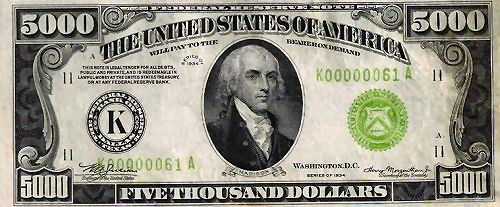
He was the 4th president of the united states, and also one of the most influential fathers to the constitution, in fact he is called "The Constitution Father".
5. Benjamin Franklin (1706-1790)
He was a politician, scientist and inventor. He was one of the foundind fathers, he solved the problem of representation in the new institutions a he also made rehersals with electricity. He was the only famous american man in Europe.
Abraham Lincoln (1809-1865)

He was the 16th president of the United States, he was the first president from the actual republican party. He was against slavery, he also managed to abolished it.
He was murdered.
And this is all for now, we have learnt a little about the founding fathers and dollars... Meastro, a sack of Madisons here please!
lunes, 2 de noviembre de 2015
John Adams: Also on HBO!

He was born in Quincy (Massachusetts) in 1735, his family was humble, although he wanted to be someone greater, someone important for what he was going to do.
Firstly he was a lawyer, but later he became one of the representatives of the colonny of Massachusetts. He also supported the independence of the states. Later, he left his post to became a high officer of the army, that was fighting against the british.
When the indepence was achieved, he was designed to be an ambassador, in order to restablished the relationships with the UK.
In the 1790's he returned to the USA where he became vicepresident during Washington's time in power, in the other hand he was not pleased with that post, he thought that it was the most insignificant post someone could ever have... (I don't think so, by the way)
In the year 1796 he became the (2nd) president of the united states, and his main objective was to keep away from the war between France and tha UK.
He passed away the 4th of july of 1826, he passed away a few hours after Jefferson, but ironically his last words were:
"Thomas Jefferson is still alive"
domingo, 18 de octubre de 2015
Oliver Cromwell: Viva mi revolución

En el año 1629 el monarca Carlos I se autoproclamó rey absolutista (por seguir la moda europea y todo eso), este monarca disolvió las cortes y mando tanto a Cromwell como a los demás diputados a casa. El rey volvió a convocar al parlamento en 1640 para aprobar presupuestos, ya que los intentos de represión contra Escocia, estaban mermando las arcas, aunque esto no viene al tema, la cosa es que durante ese periodo de tiempo hubo una división en el parlamento entre los "parlamentarios" (entre los cuales estaba Cromwell) y "los realistas" (los cuales apoyaban al monarca) esto desembocó en un enfrentamiento armado, lo que día de hoy conocemos como "la Revolución Gloriosa", durante la cual Cromwell se hizo un héroe, se convirtió en líder militar y en el año 1649 se ejecutaba al rey Carlos I.
Aunque siempre cabe recordar esta frase "El poder corrompe", tras acabar con el conflicto armado impuso una dictadura militar gobernada por él, durante la cual creó "la Mancomunidad de Inglaterra" (más conocida como la commonwealth), en este periodo anexionó el resto de territorios de las islas británicas.
Falleció en el año 1658, tras su muerte se volvió a instaurar la monarquía.
A día de hoy existe una estatua en su honor en el parlamento británico por su defensa de las... ¿libertades?
Suscribirse a:
Entradas (Atom)